The Challenge: Three Rounds, One Night
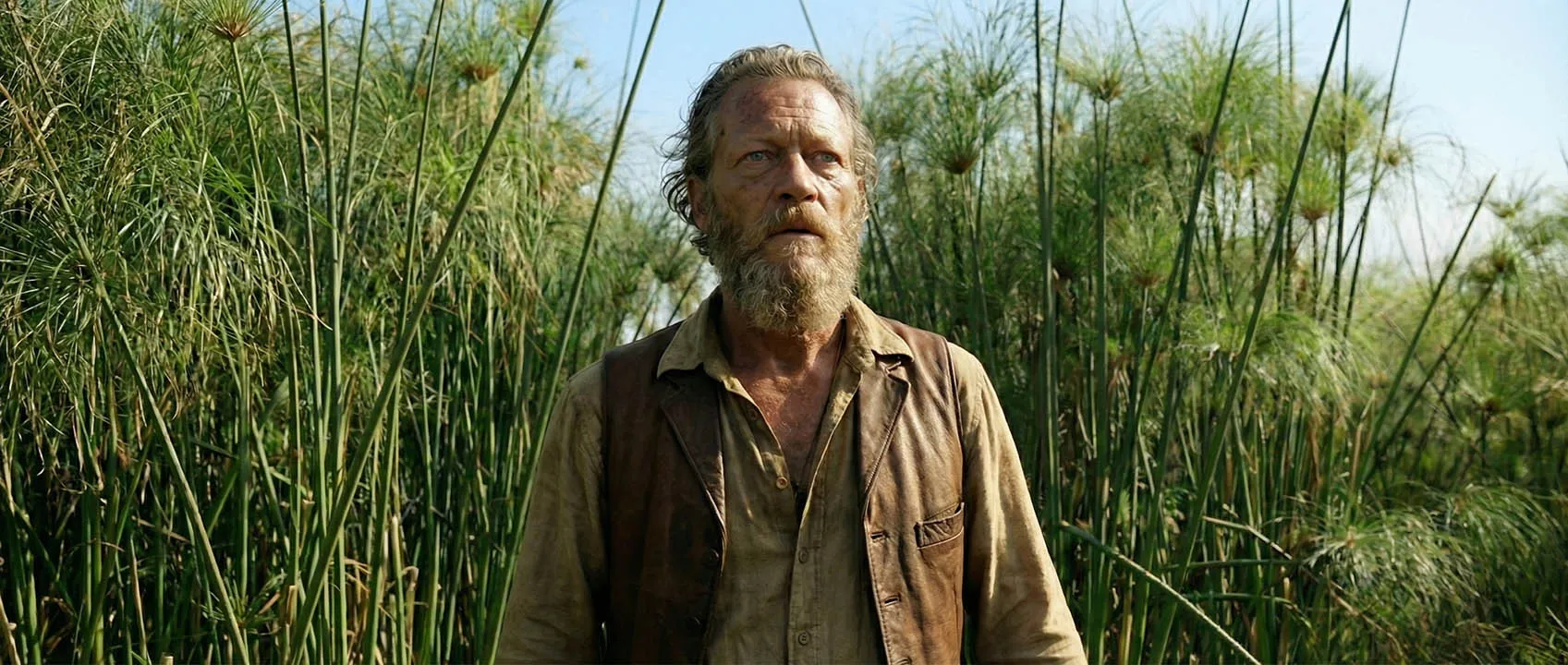
On 19 November 2026, our director Hugo Jackson won the Sydney heat of the AI Creative Challenge by The One Club for Creativity and Google, live on stage at Entropico, Sydney.
The rules:
- 8 AI creators, in single-elimination live duels: quarter final, semi final, final.
- A secret brief: a wheel reveals it on stage, and the clock starts.
- 10 minutes for the quarter final, 15 minutes for the semi final and the final.
- Playable at the buzzer: anything still generating does not count.
- Judged on speed, prompt mastery and creative execution, with the room voting on their phones.
The prize: a place at the Grand Finale in New York in 2027, with a US$50,000 prize pool for the top four.
Hugo found out he was in on the Sunday. The race was on the Thursday.
———————————————————
The Preparation: 22 Practice Runs
A 30-second Seedance clip takes between six and seven minutes to render. In a 10-minute round, that leaves almost no time to think. So Hugo set one goal for the week: drop in the brief, give a couple of instructions, and have the whole film built and sent in the first three minutes, so the other seven go to rendering.
The first tests were bad.
- Day one: a test went out at 720p, text-to-video, and wasted credits. The rule since: 480p drafts for tests, and never text-to-video.
- The umbrella test: a mock ad brief against a 10-minute clock. The flow skipped steps and jumped ahead of the idea. Hugo called it a failure.
- The model test: Seedance 2.5 against Seedance 2.5 Flash, timed on real 30-second films. Flash looked faster at first. In the last test, 2.5 was faster and better, so 2.5 became the race model.
The night before the race, Hugo ran live practice rounds until almost 5 am:
- Run 01 failed and was restarted.
- Run 02 took an hour and a half instead of 10 minutes.
- Run 04 came in at 11 minutes 36 seconds, still over a 10-minute round.
Then 13 more practice films ran overnight on their own, each against a timer, each scored. The next morning Hugo reviewed them all and set new rules: Hollywood-level acting with subtle micro-expressions instead of comedy overacting, a real handheld camera, nothing moving by magic, and no default end card.
On the afternoon of the race, the last practice run went from brief to send in 2 minutes 45 seconds, with the finished video back at about 8 minutes. Hugo: "Okay, amazing success."
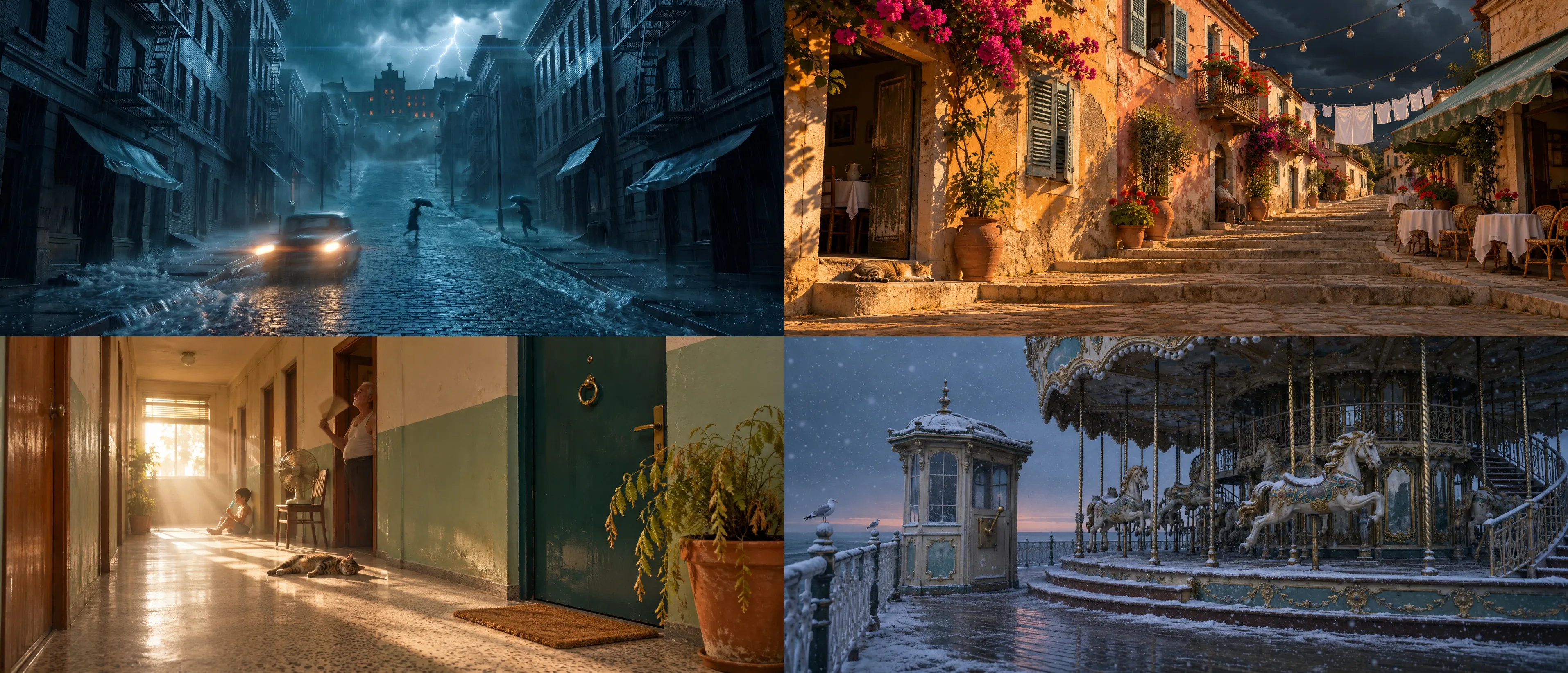
Practice-run locations
———————————————————
The Workflow: From Brief to Send in Under Three Minutes
One flow, in order:
- Warm-up: the rules load before the brief arrives, so nothing is figured out on the clock.
- The second the brief lands, a robot opens the round's TopView board and sets Seedance 2.5, 30 seconds, 21:9, the resolution and the number of takes.
- One batch of pictures: character sheets in GPT Image (through Codex) and empty wide shots of each place, fired together. Hugo picks the best ones, and a picked wide drops itself in as the first frame of its shot.
- One prompt, one finished film: up to 9 shots in a single 30-second prompt, each with its framing, camera move, timed action and spoken lines, plus one piece of film score and the sound design.
- A rule check on every save fixes and blocks the mistakes the tests taught us: static cameras, cars driving backwards, overacting, things moving by magic. A second AI agent audits the prompt at the same time.
- The send: the TopView robot fills the panel while Hugo is still picking pictures. A READY light turns green, and send to Generate dropped from 2 minutes 36 seconds to about 30 to 50 seconds.
- The clock: every message on race night starts with the time left.
———————————————————
The Tracker: The App Behind It
All of this runs in an app Hugo built himself: his own production tracker. On race night it was the one screen he worked from.
- The rounds: one project for the challenge, one episode per round and per practice run.
- New pictures: every character sheet and wide shot lands here the moment it is made. Hugo reviews them and picks the heroes in one click.
- Prompts: the one-prompt, 30-second film is built here shot by shot, with the rule check running on every save.
- The send: one button stages the TopView panel, and it glows green when the film is ready to go.
- The timings: every step is timed, so each practice run showed exactly where the minutes went.
———————————————————
Round 1, the Quarter Final: Sydney in Miniature
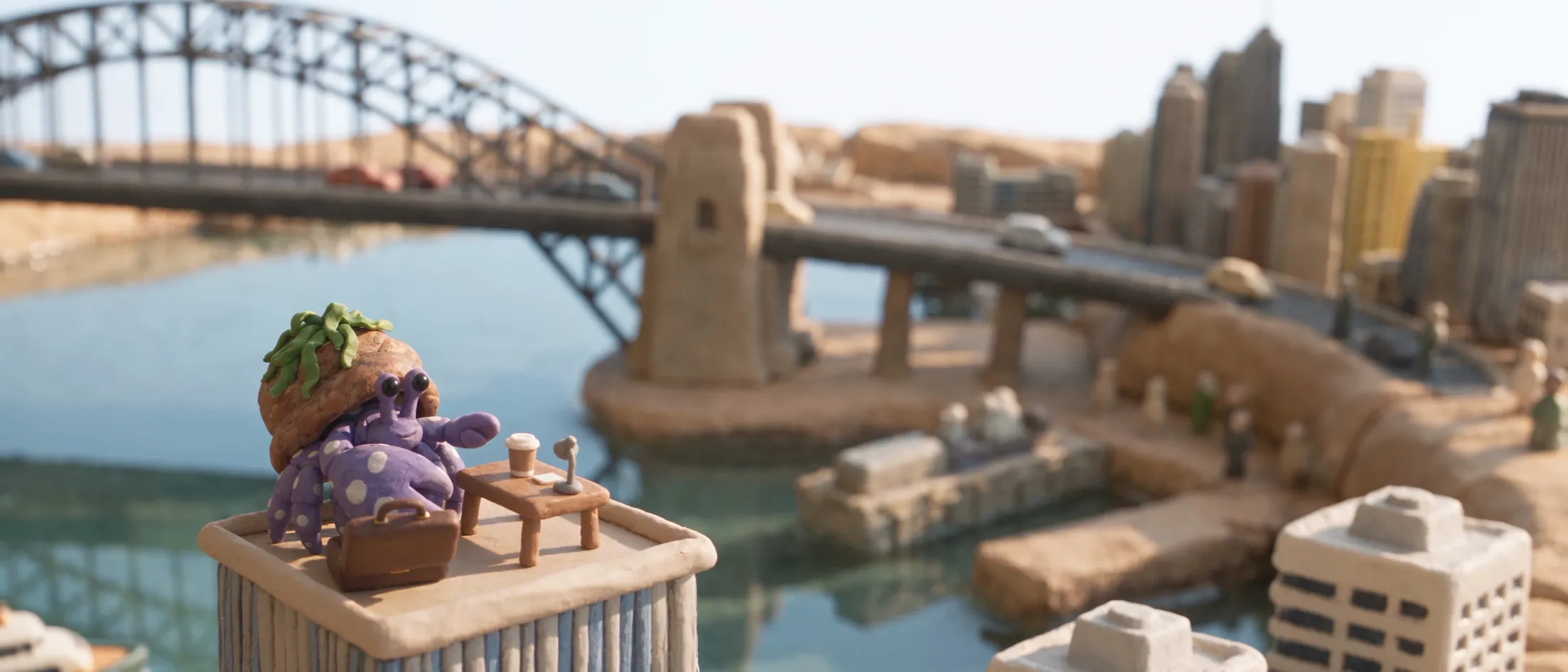
Round 1 film: Sydney in Miniature
The brief: "A whole tiny Sydney inside a rock pool." Hugo added: "Make it really funny."
For the quarter final we set one rule: no three story options. The first idea is picked and goes straight into production, so the film can land inside 10 minutes.
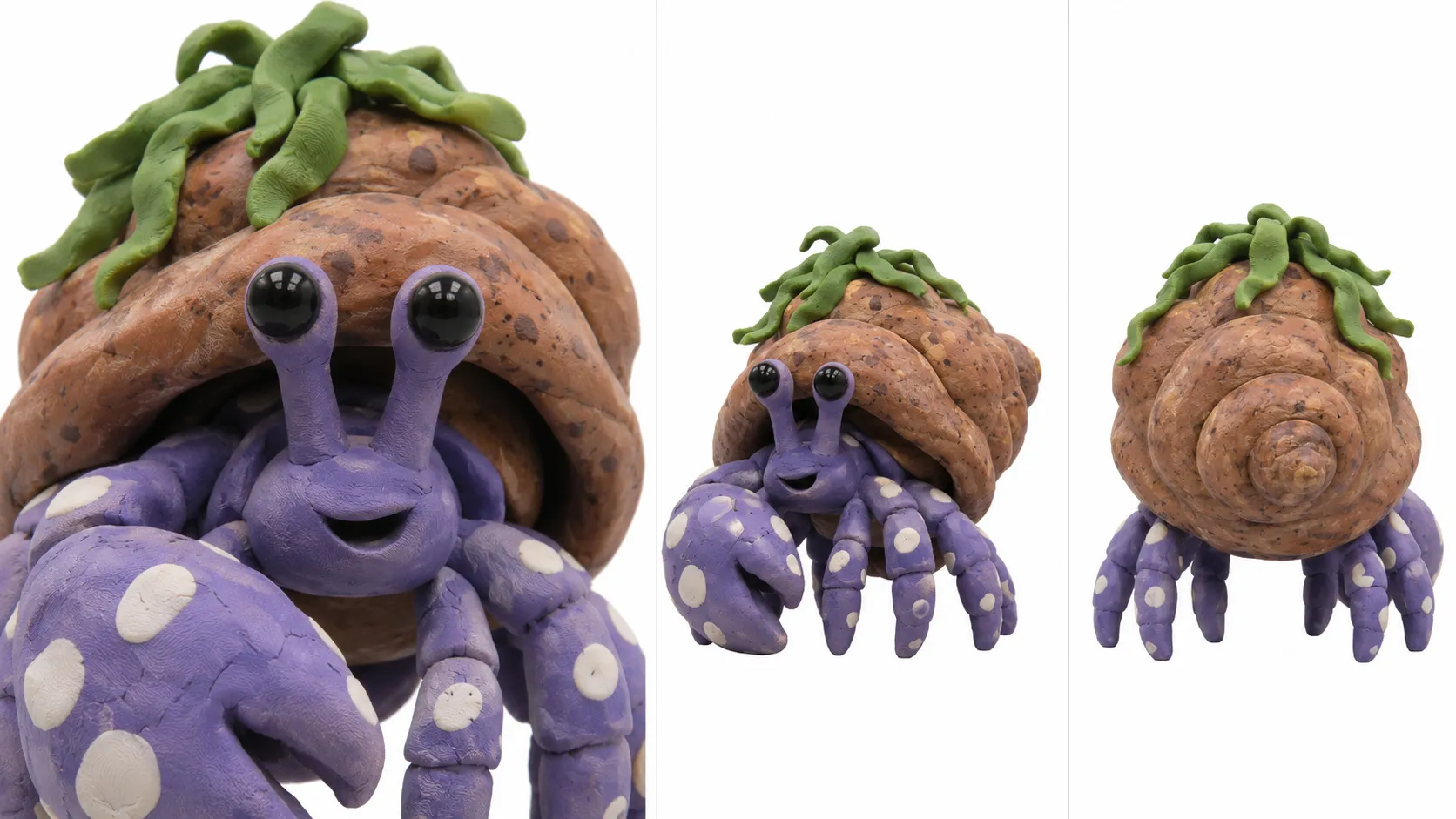
While the first pictures were generating, Hugo kept thinking and added three notes: claymation, a tilt-shift lens, and a crab going to work. The pictures were made again with them.
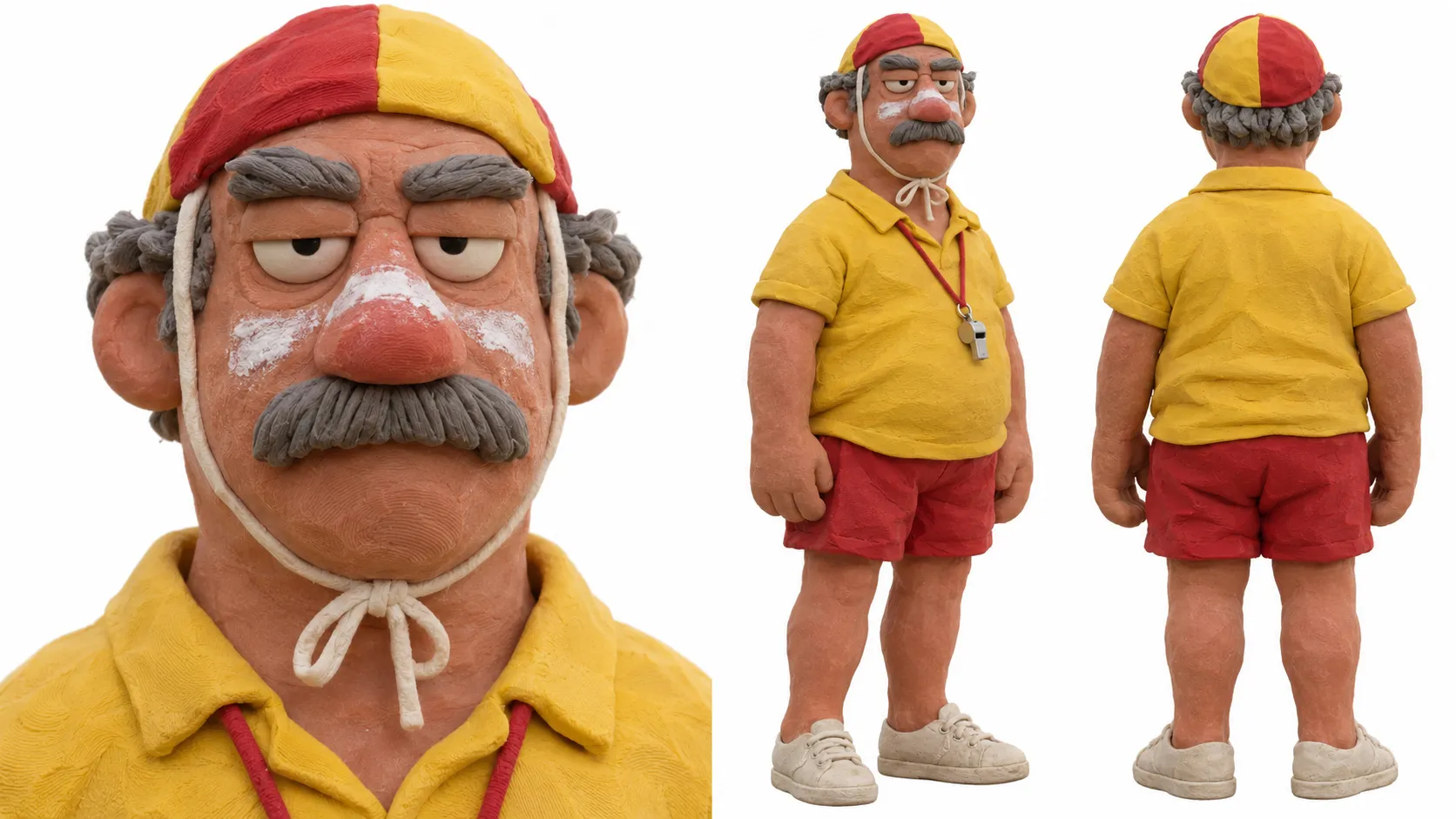
The film went out 2 minutes 39 seconds after the brief: a hermit crab with a briefcase doing the Sydney commute through a clay city in a Bondi rock pool, one 30-second clip, uncut.
It was funny. Hugo won the audience vote, and the round.
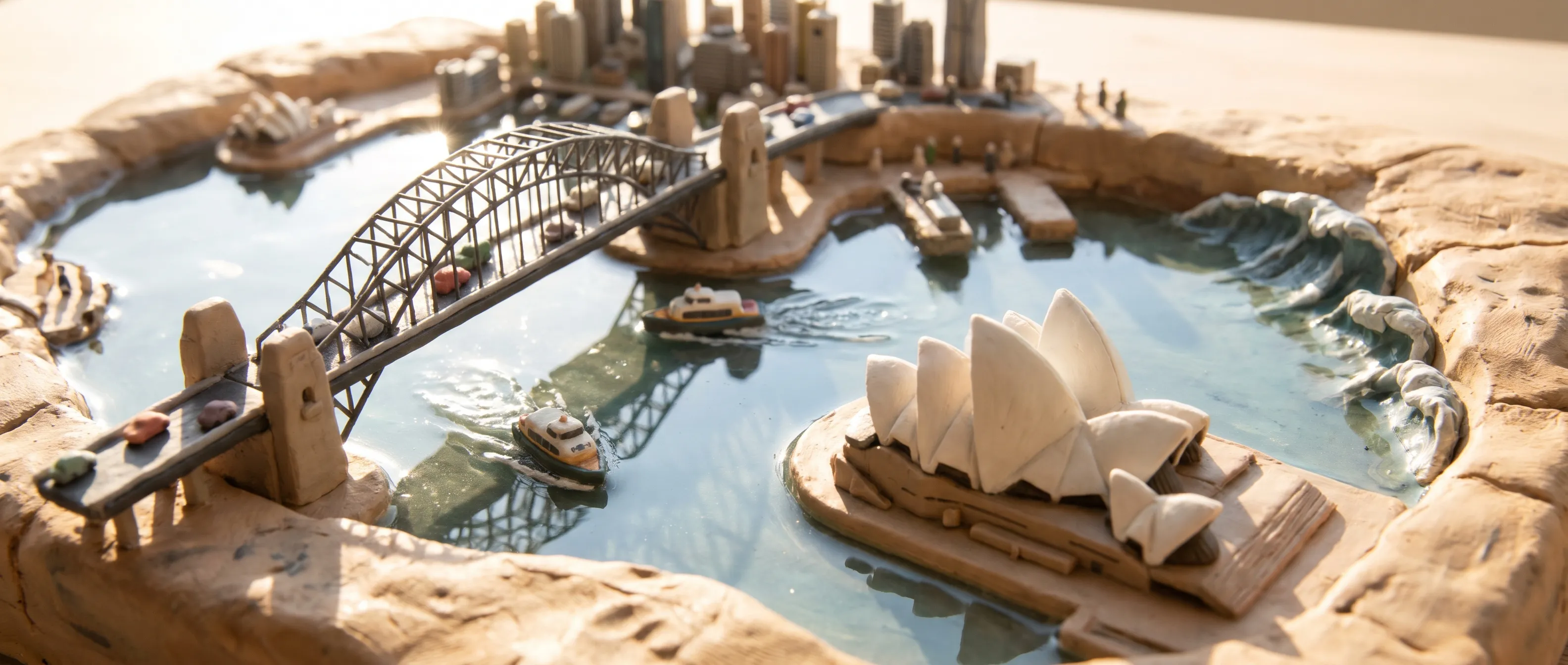
Clay Sydney rock pool, location sheet
Hermit Crab, character sheet
The lifeguard, character sheet
The full quarter final case study: Sydney in Miniature →
———————————————————
Round 2, the Semi Final: The Postie
Round 2 film: The Postie, shown on stage
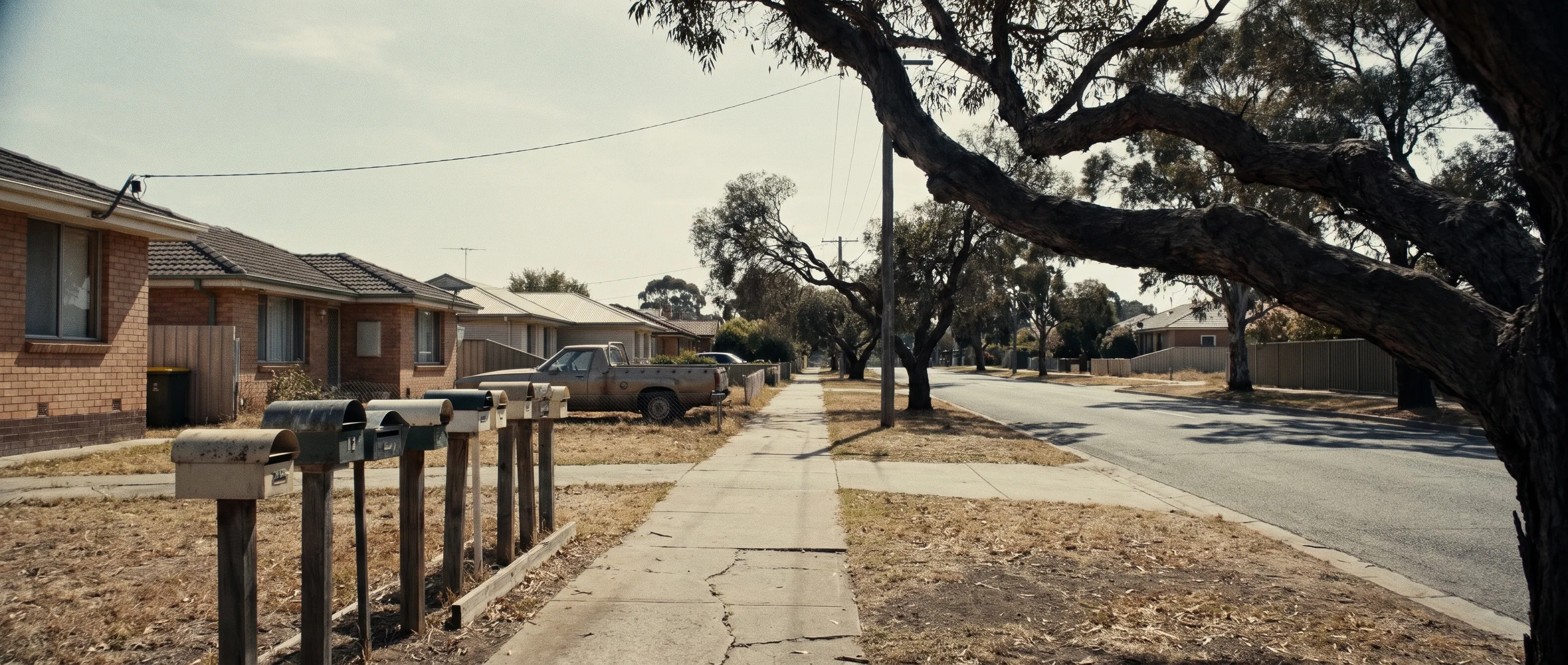
The brief: "Magpie swooping season, filmed as a horror movie trailer."
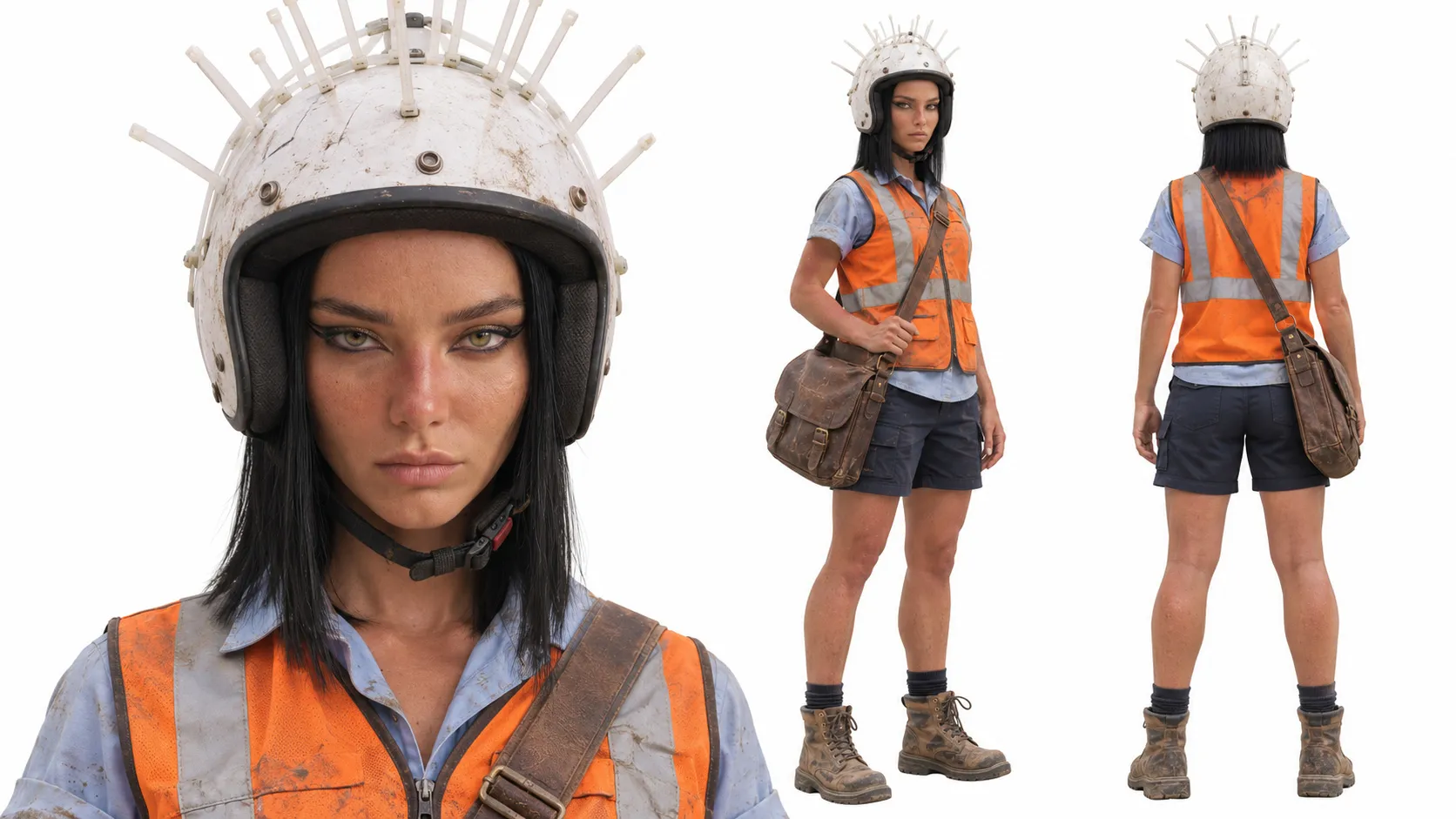
Hugo asked for three ideas, picked one and directed it: a postie on her scooter in swooping season, played by his own Cleopatra character, with a Hans Zimmer-style score, lots of silence, Final Destination tension and Hollywood-level acting. It went out at 5 minutes 26 seconds, as the safe option.
It was meant to be a horror film. But a few very obvious, classic AI video mistakes made it hilarious in places, and Hugo was chuckling on stage with the room. He won the audience vote, and the round.
Magpie street, location sheet
The postie, character sheet
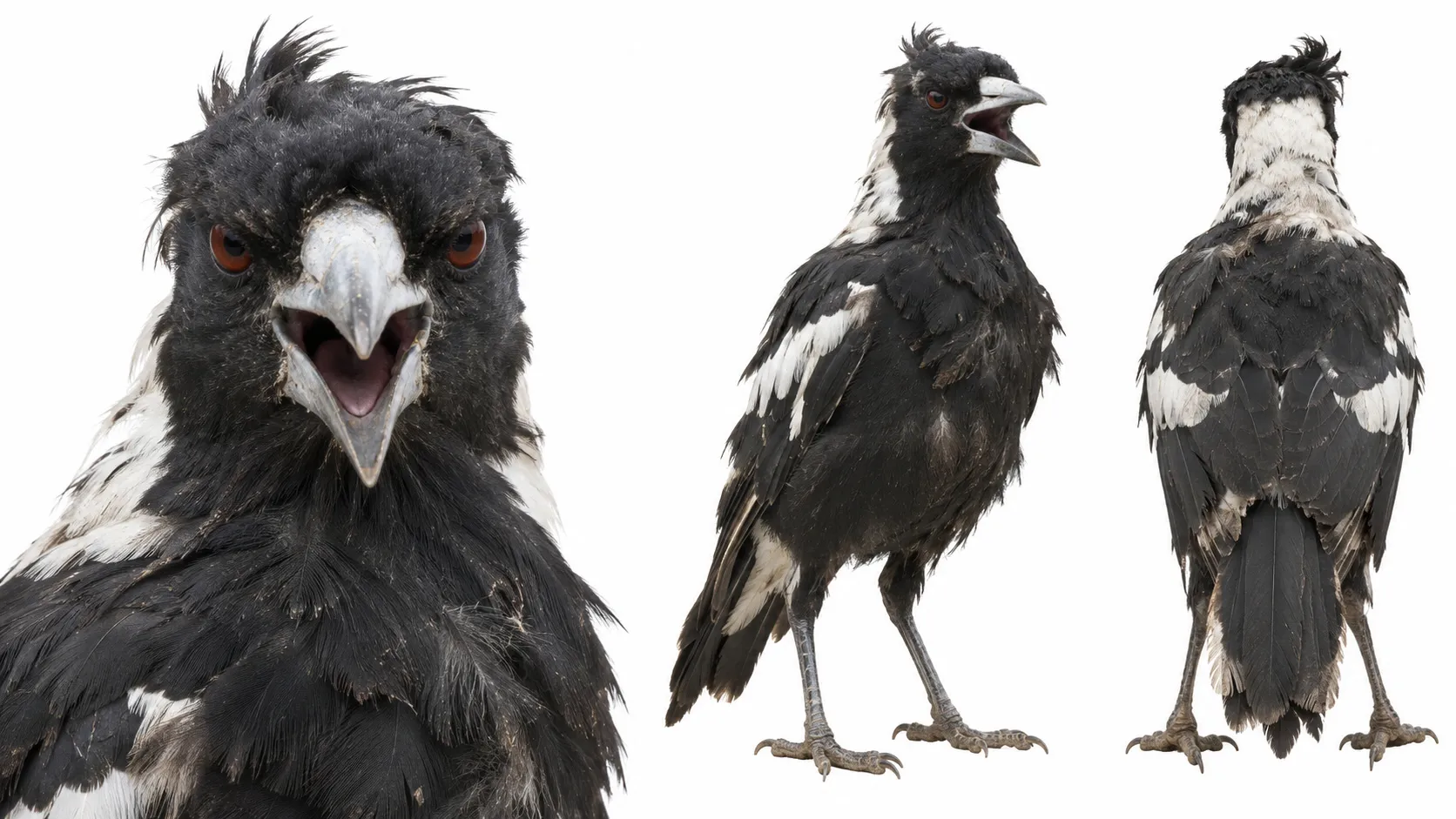
The magpie, character sheet
The Switch: Cleopatra in Egypt
With The Postie sent, Hugo switched the whole idea: Cleopatra in her ancient Egyptian palace, chased by a magpie, Final Destination style. It went out at 9 minutes 39 seconds, but it did not finish rendering before the buzzer, so The Postie was the film on screen.
This is the Egyptian version, as it came out after the round.
The switch: Cleopatra in Egypt, made after the round
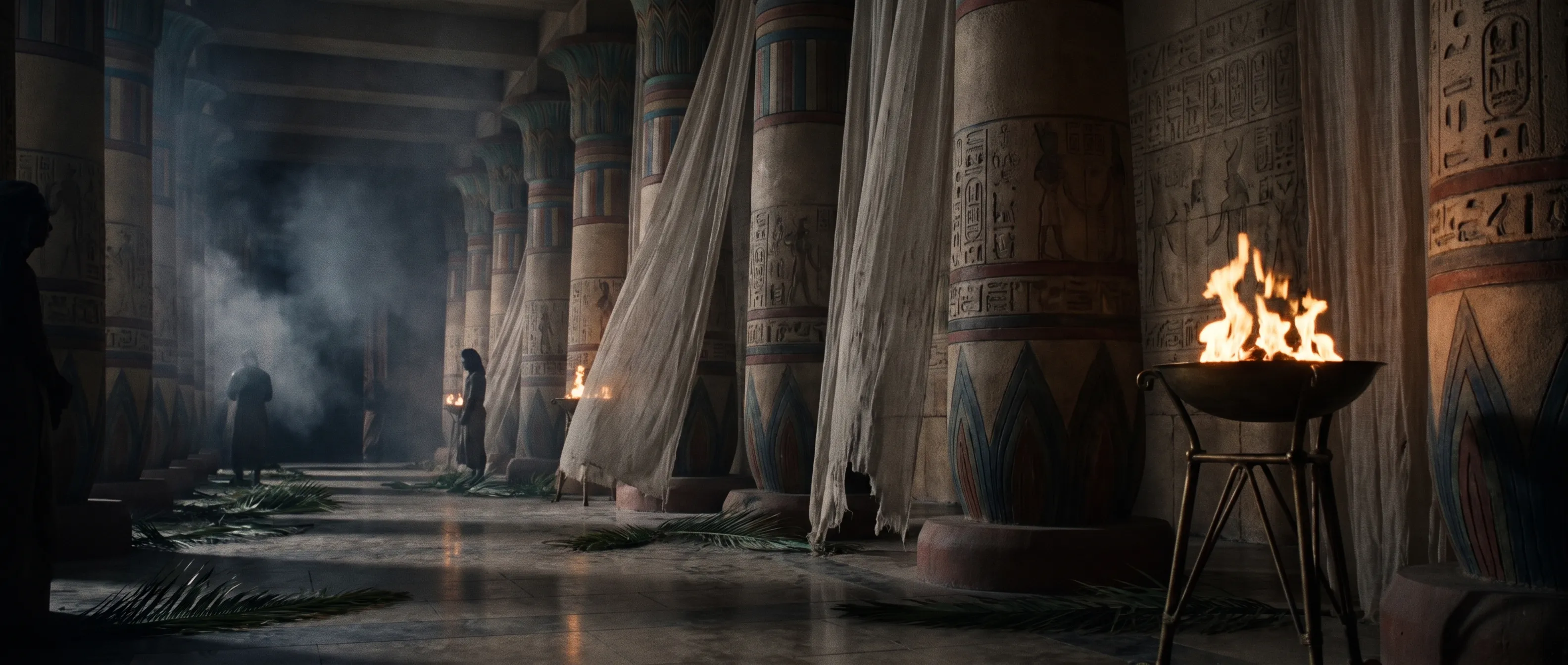
Cleopatra's palace, location sheet
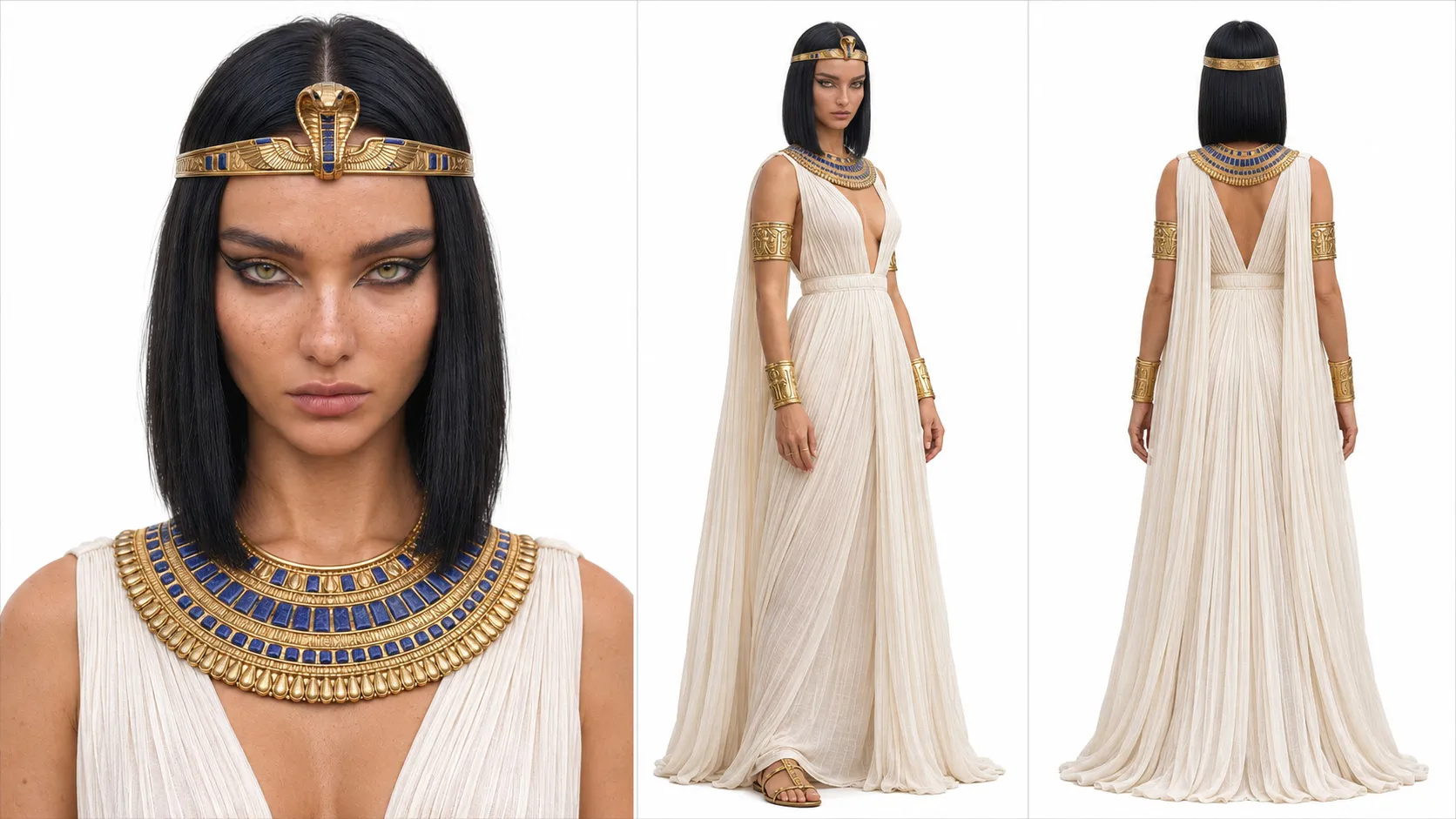
Cleopatra, character sheet
———————————————————
Round 3, the Final: Stanley
Round 3 film: Stanley
The brief changed on stage. Hugo was ready, and confident with the first one: "The light rail races a jogger down George Street, filmed as a sports broadcast." Then the judges stopped the round, and the wheel came back on with a new brief: "The Manly ferry in a storm, filmed as a disaster movie trailer."
It felt like a sign. Hugo lives in Manly, and he had been hoping for a film trailer brief. This one was perfect for him.
He called the ferry Stanley, after his daughter's favourite book, Stanley the Manly Ferry, which he reads to her all the time. She was there that night, supporting him.
The direction: gritty, Christopher Nolan style, a Hans Zimmer-style score, voice-over and impact sounds, 21:9. An ordinary commute, a storm at the Heads, a girl, a deckhand and a wall of water. It ends on a made-up release line for the brief, not a real one, and the title card was made as a picture and checked letter by letter, because video models misspell titles.
The send nearly failed. Hugo noticed that the first picture, the ferry outside in the storm, was not attached: only the picture of the inside was. He had asked for both, but the robot kept rewriting the prompt without switching the picture. Hugo took over, switched the picture by hand and launched it in a rush, with the clock running out.
He was sure it would not come back in time. The first take landed 50 seconds before the buzzer, two more followed before time ran out, and he picked the first one.
Once again, Hugo won the audience vote. Then, after a long deliberation and very intense suspense, the jury came down to one vote. It went to Hugo, and sent him to New York.
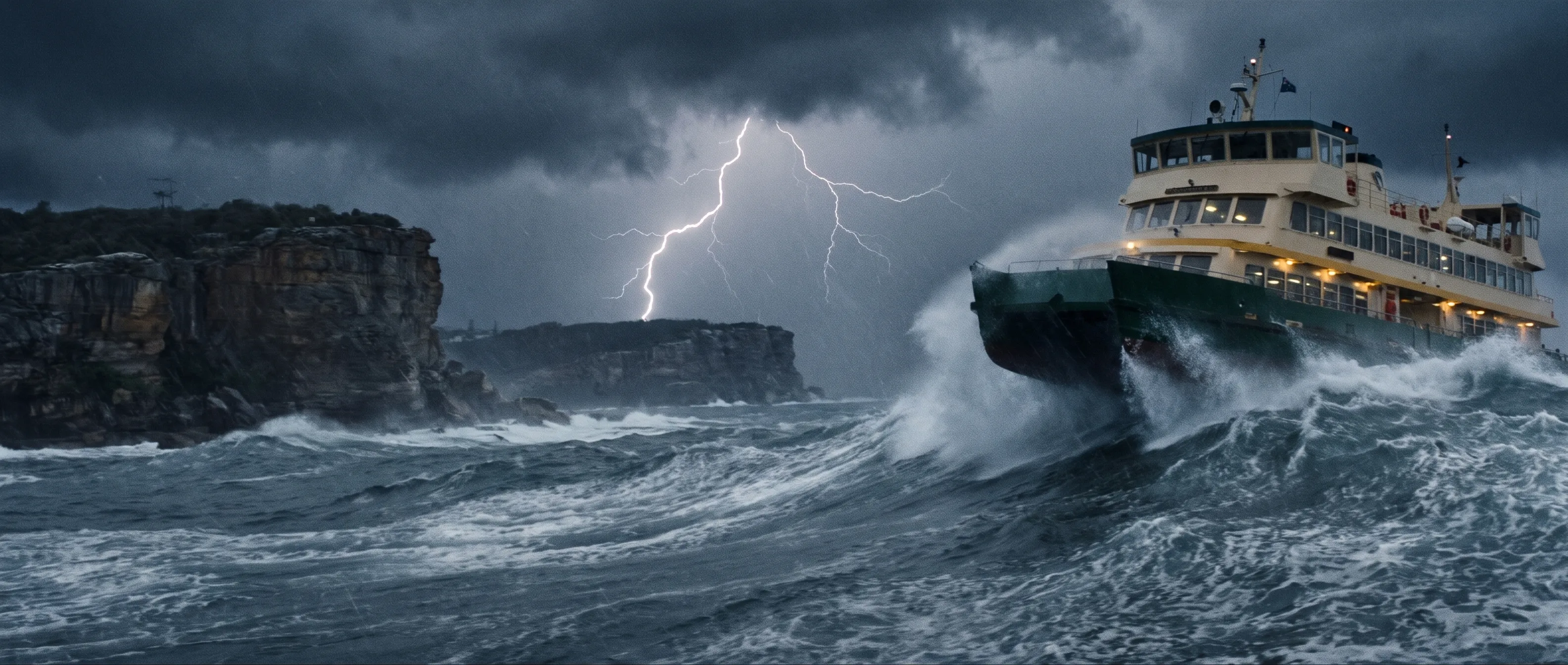
The Heads in the storm, location sheet
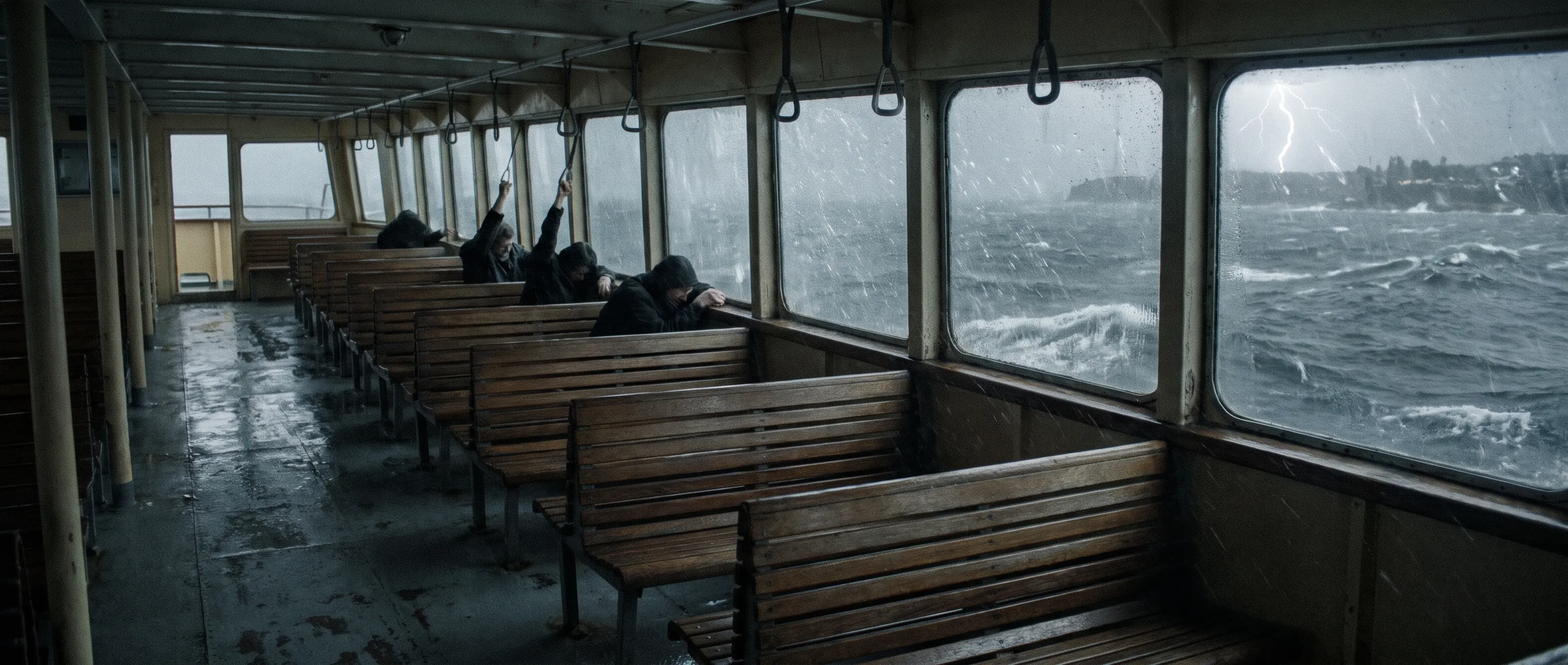
Inside the ferry, location sheet
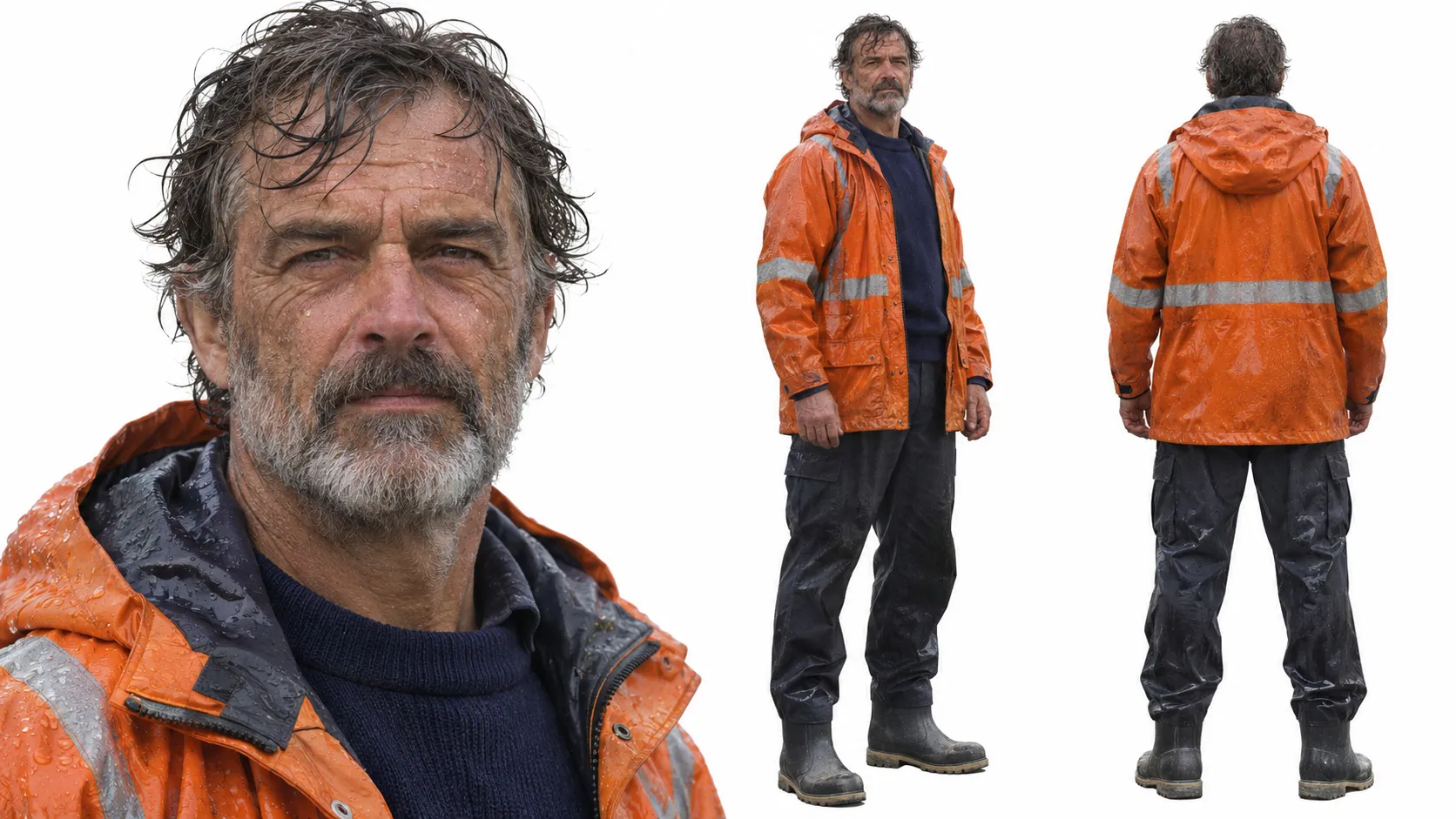
The deckhand, character sheet
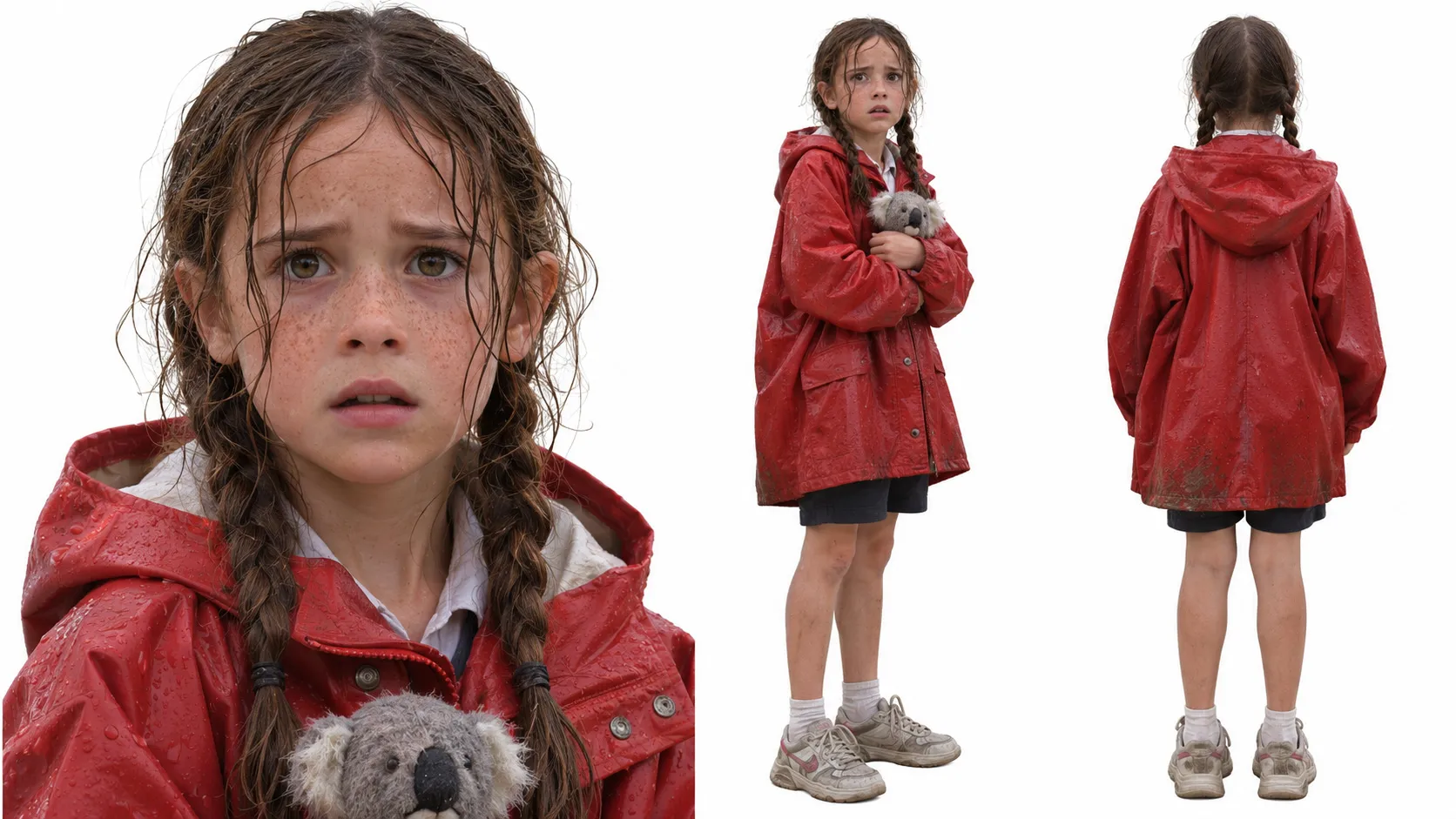
The girl, character sheet
———————————————————
The Sound: Written Into the Prompt
On race night, the music, the voices and the sound came out of the same Seedance clip as the picture. Every prompt carried one piece of film score through the whole clip, the soundscape and the spoken lines: the lifeguard's "Righto, go on, mate," the ferry's radio calling "Stanley, Stanley."
The reel brings the round films together with the best practice films: the rain, the neighbours, the delivery robot, the carousel and the chair. It is cut in story chapters, every cut lands on a drum hit, and the end card holds while the music resolves.
———————————————————
Every element in the films, from picture to voice to sound, was AI-generated.
Image
- GPT Image (through Codex): the character sheets for every round, and the Stanley title card
Video, Voice & Sound
- Seedance 2.5 (through TopView): every film as one 30-second multi-shot clip, with the camera moves, the spoken lines, the score and the sound
Planning & Assembly
- Hugo's own production tracker: the race flow, the picture reviews, the one-prompt film packets, the rule check and the send
- Claude Code: the ideas, the prompt writing, the second-opinion audit and the TopView robot
- The reel: cut in story chapters to the beat, every cut on a drum hit
———————————————————
The Result: Sydney Champion
Three duels, three wins, and the audience vote in every round. Hugo is the Sydney champion of the AI Creative Challenge, and goes to the Grand Finale in New York in 2027.
At Salter Creek Creative, we build concept-driven, emotionally intelligent brand stories, at the intersection of art and automation.
This night proved that the work happens before the clock starts: a tested pipeline is what lets a finished film come out of a secret brief in minutes.
Work with us → [email protected]
Crafted with narrative precision. Powered by creative AI.